Bridging the gap between complex data and intuitive business workflows.
Intuit QuickBase
QuickBase is a pioneer in the no-code/low-code space, providing a cloud-based platform for building and customizing bespoke business applications. A multi-year recipient of PC Magazine’s Editor’s Choice, it bridges the gap between static spreadsheets and complex relational databases.

My Role
From 2006 to 2011, I served as the Lead Designer and Researcher for the QuickBase platform. I owned the end-to-end design lifecycle, including participant recruitment, research protocols, and both visual and interaction design. In 2010, I also transitioned into a management role, overseeing a partner consulting agency during a comprehensive visual redesign.
Key Responsibilities: Full-stack UX (Research to CSS), workshop facilitation, agency management, and A/B usability testing.
The Challenge: The “Excel Wall”
QuickBase’s core users were SMB leaders who had outgrown Microsoft Excel but lacked formal database training.
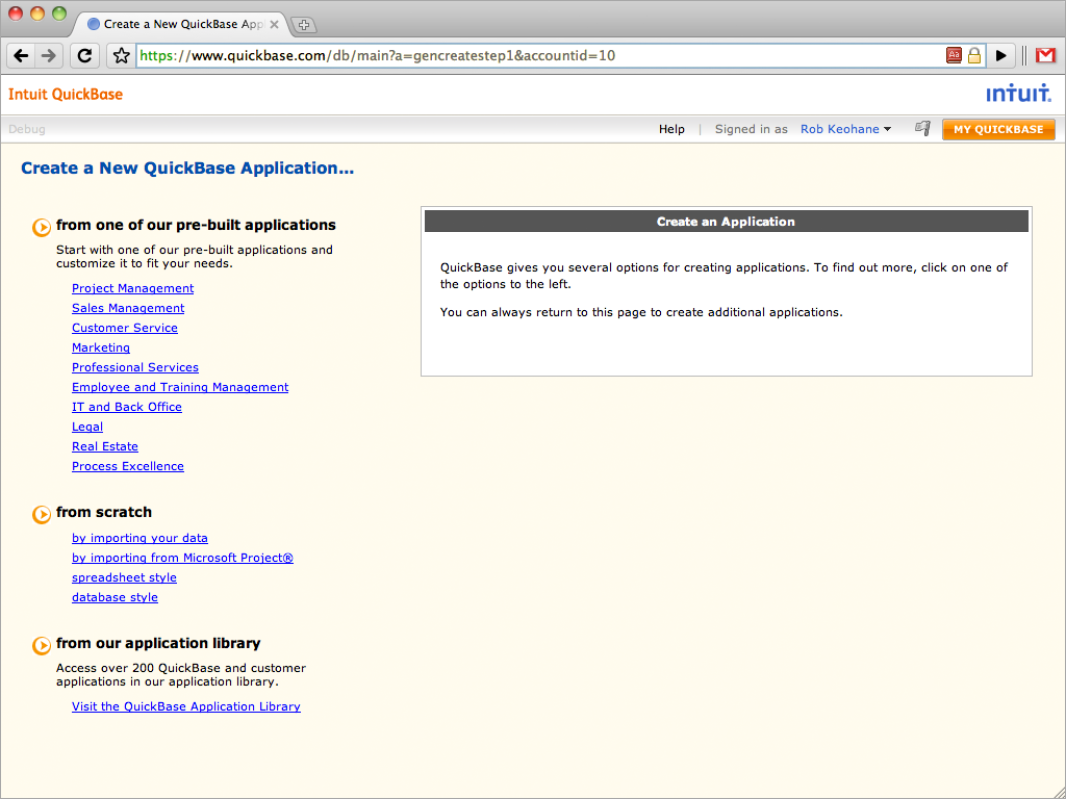
The Barrier: Users struggled with the mental model of application architecture. Specifically, customizing an app’s structure and managing granular user permissions felt intimidating and overly technical.
The Goal: Create a low-friction environment where non-technical users could track complex processes and collaborate with external stakeholders without a steep learning curve.
The Approach: Radical Prioritization
1. Cross-Functional Ideation
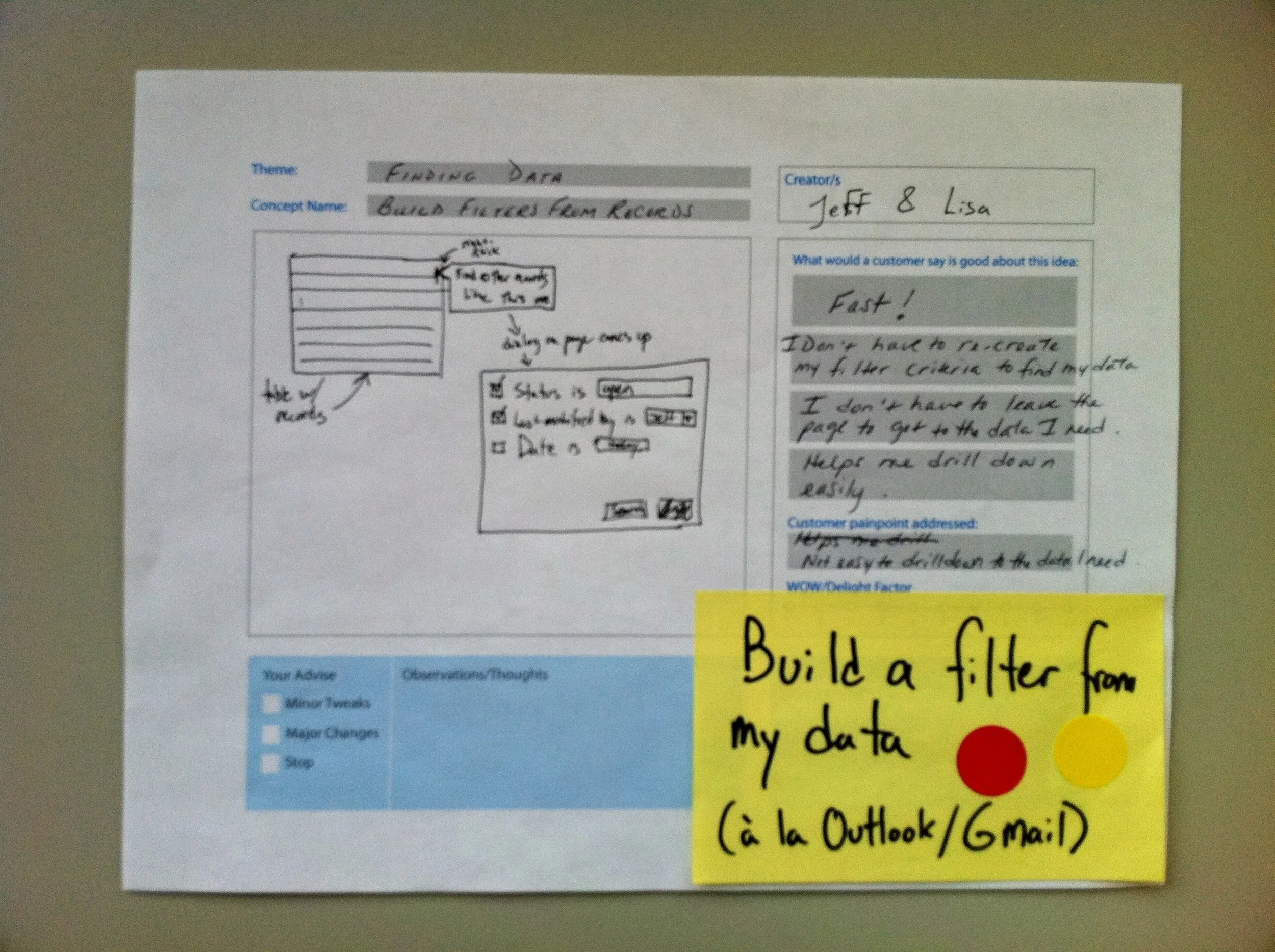
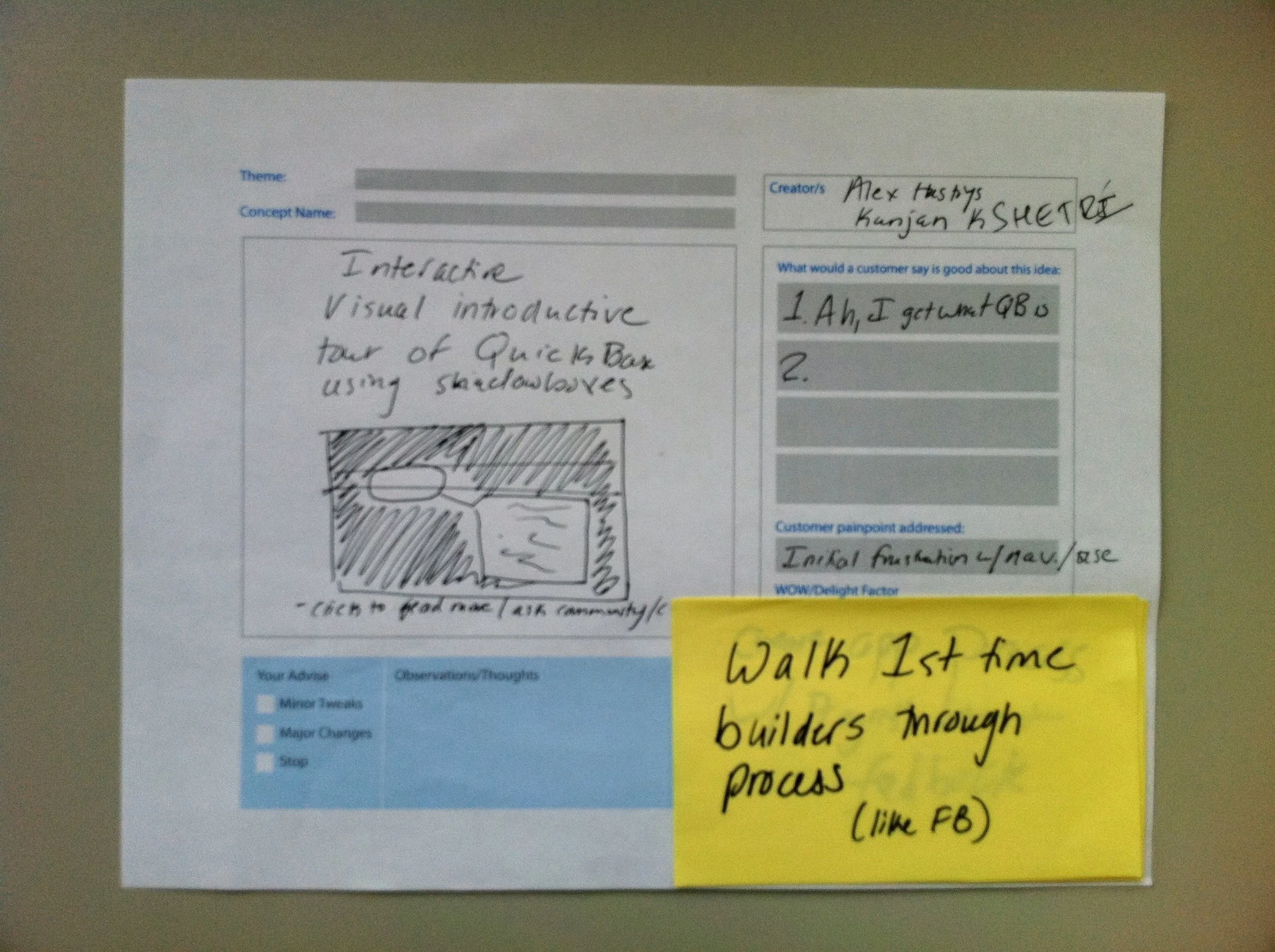
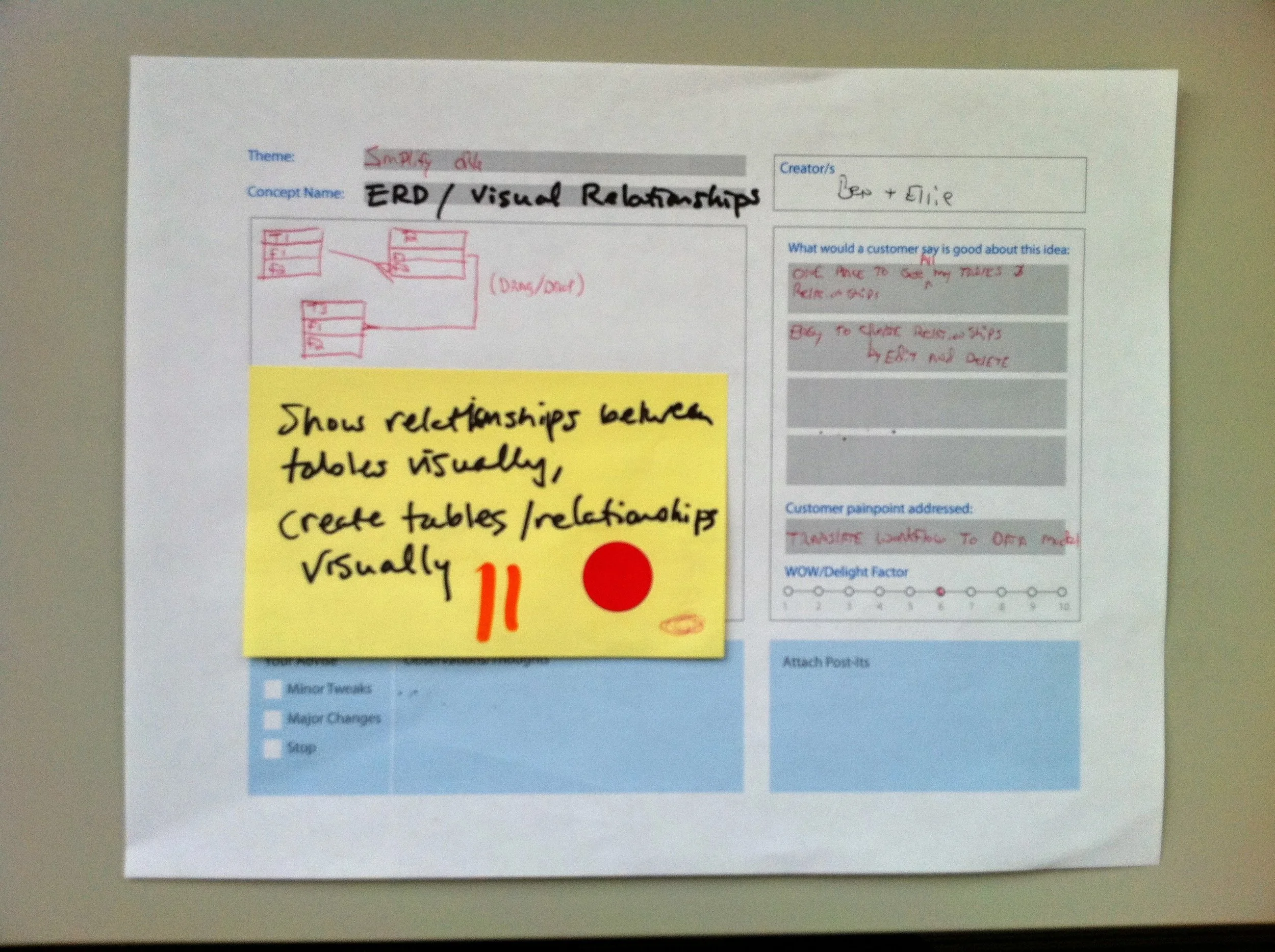
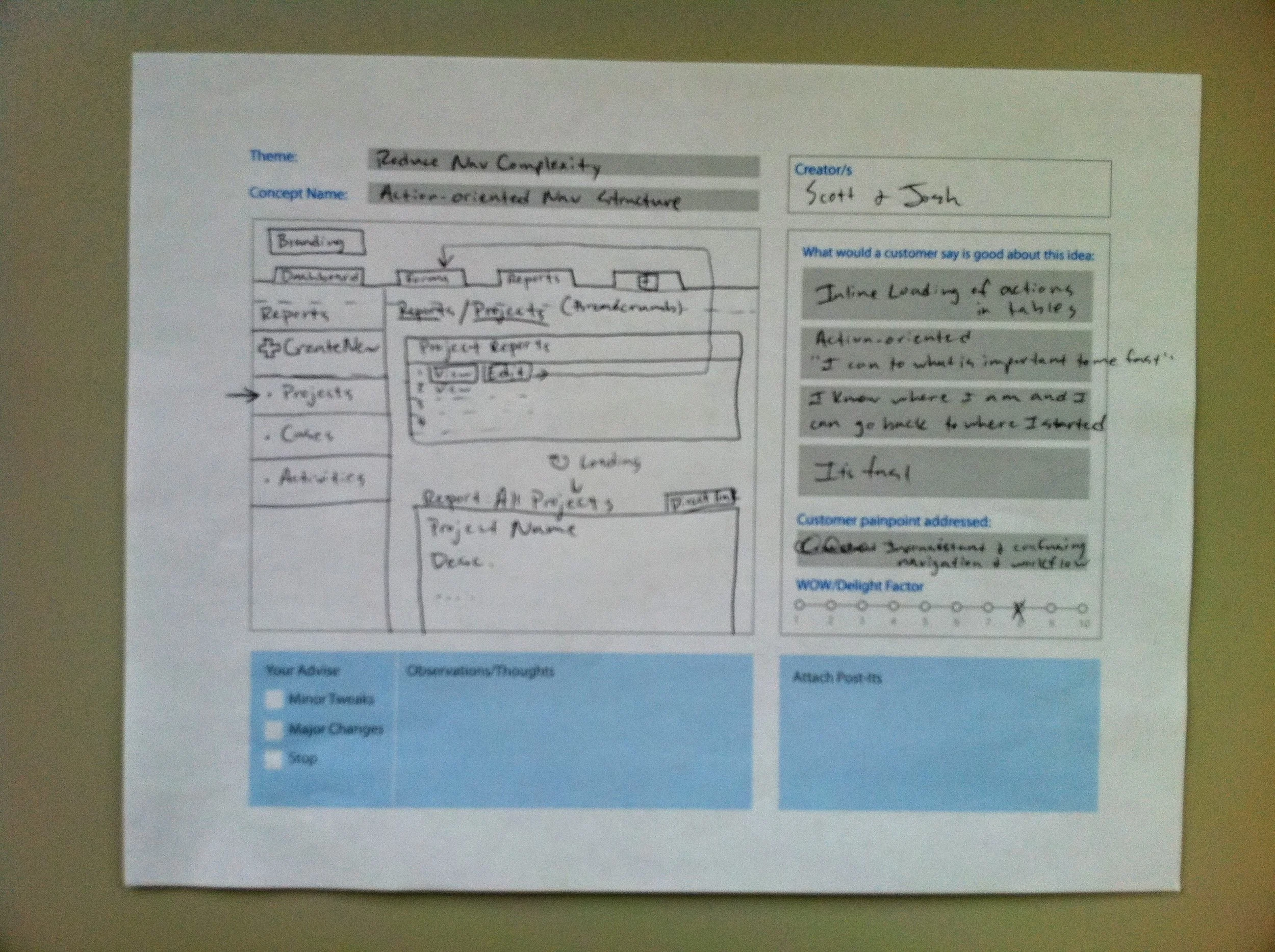
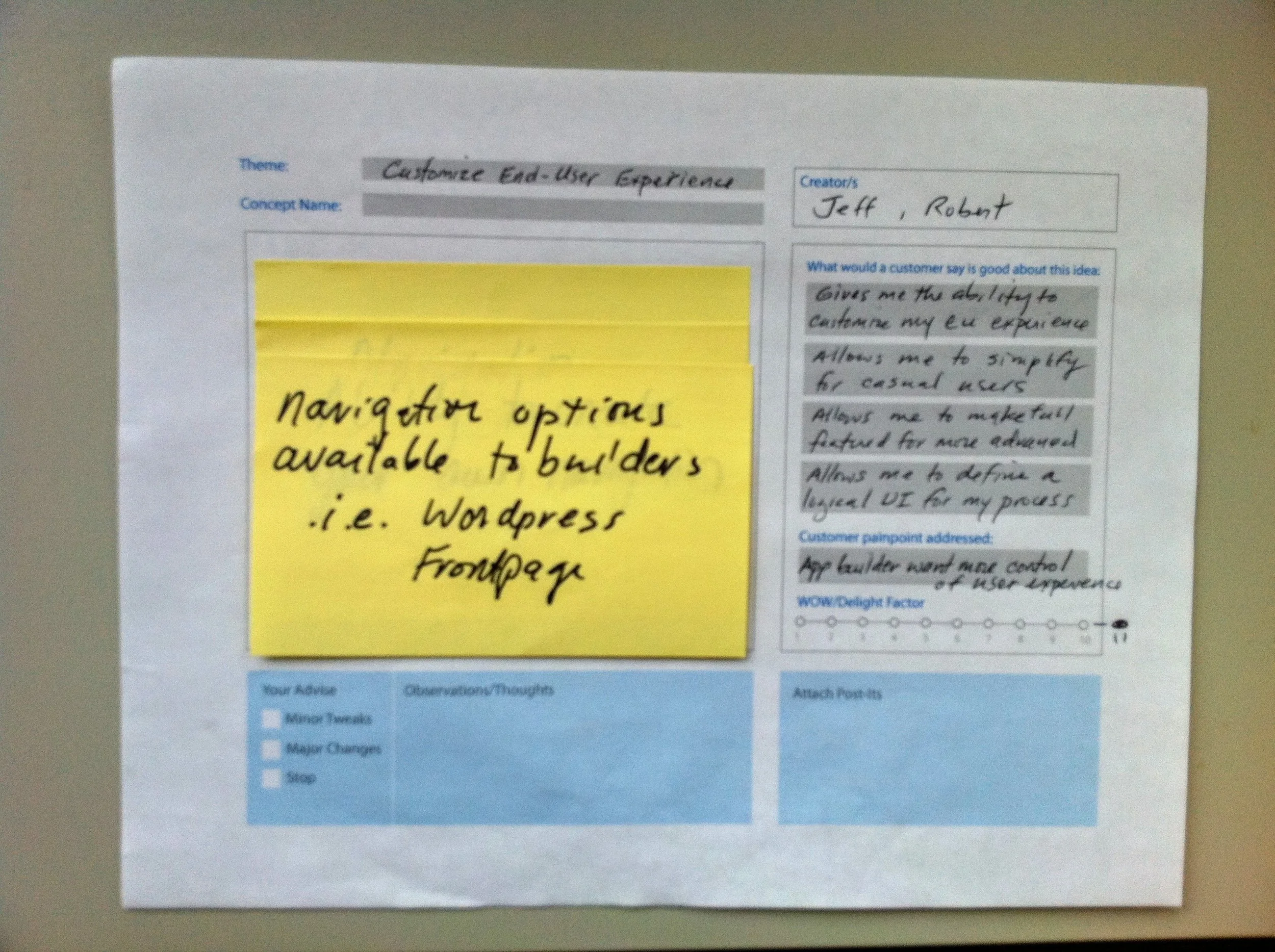
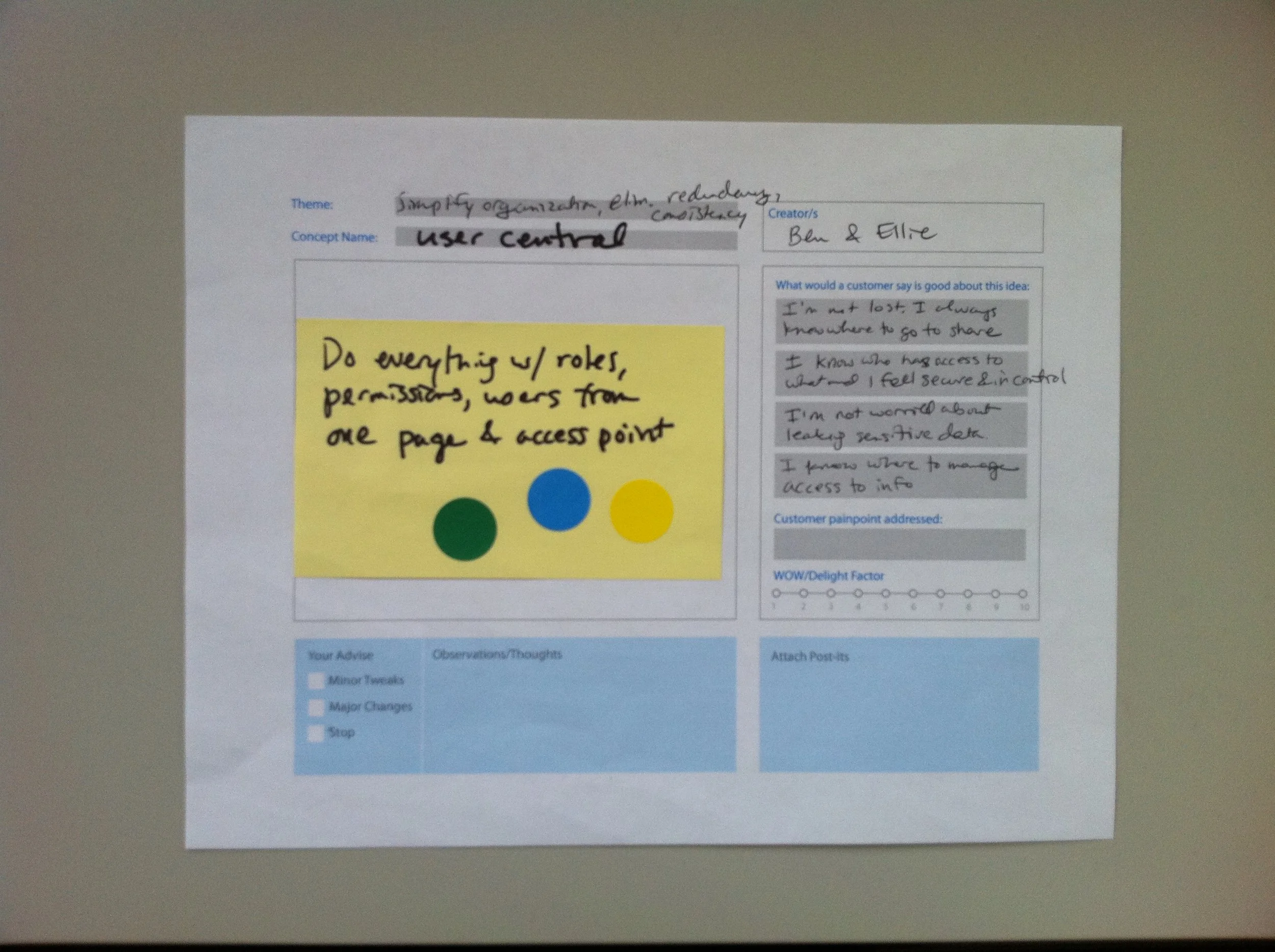
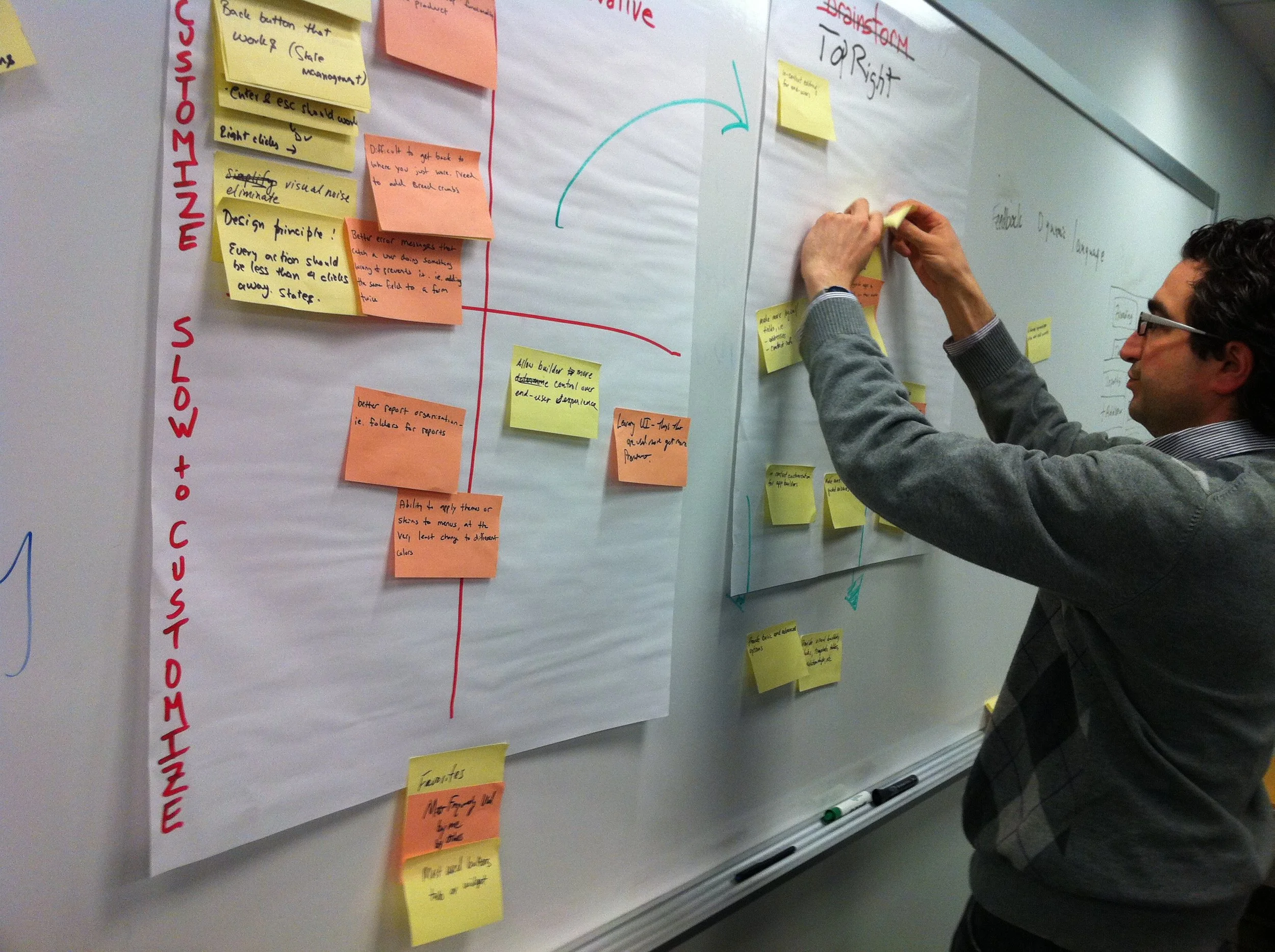
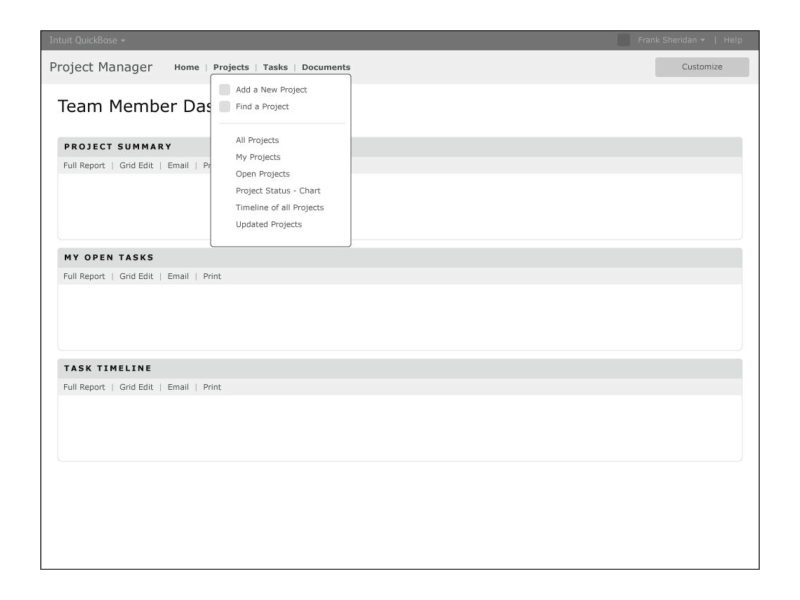
I facilitated high-impact design workshops that brought together stakeholders from Sales, Engineering, and Product. We brainstormed 156 unique ideas to solve user friction, eventually distilling them into two competing architectural concepts for application customization.
2. Wireframing & Logic Mapping
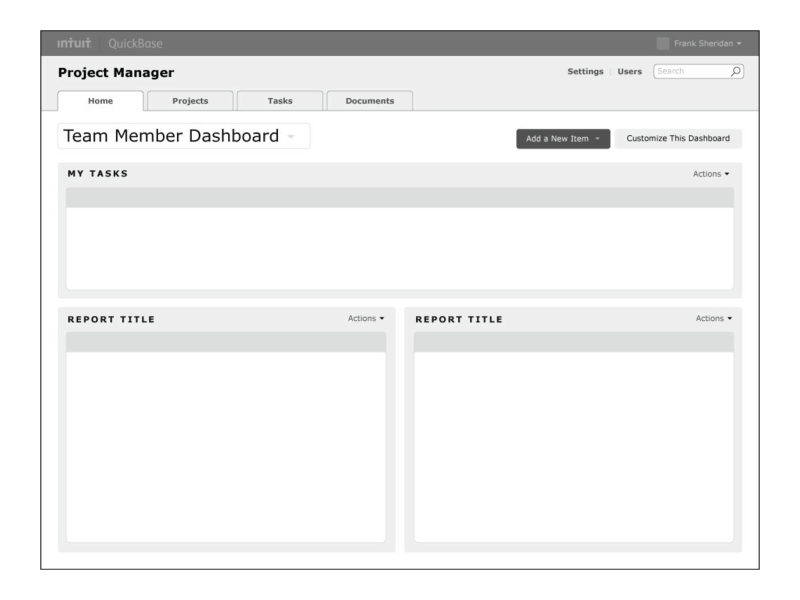
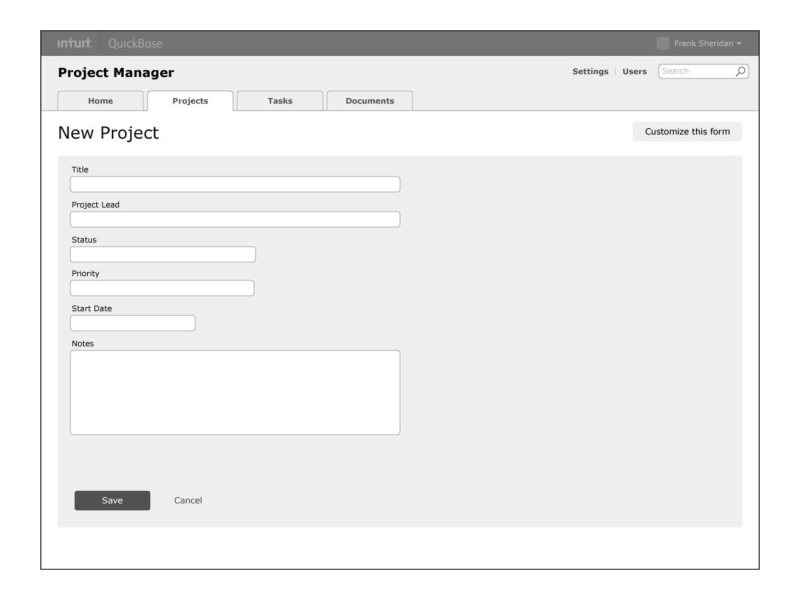
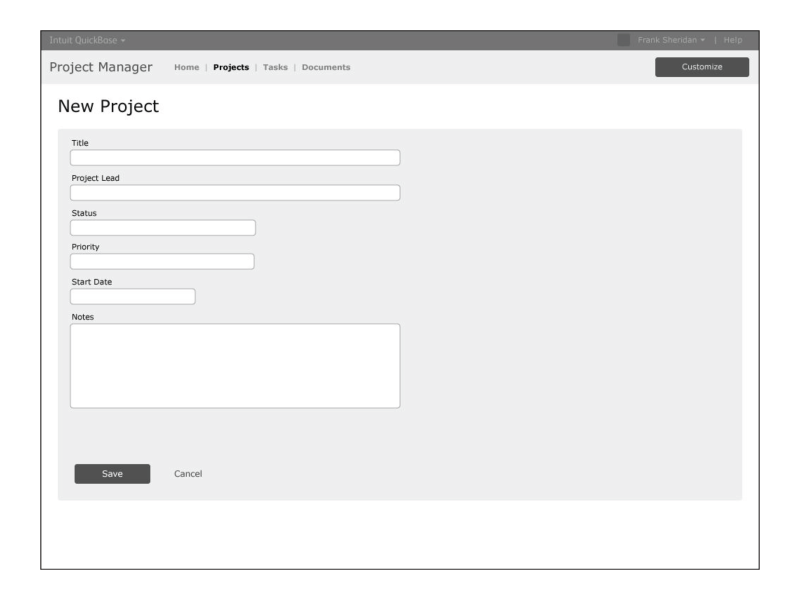
I translated these concepts into detailed wireframes to pressure-test the workflows against engineering constraints. This phase was critical for identifying business opportunities that aligned with technical feasibility.
3. High-Stakes A/B Testing
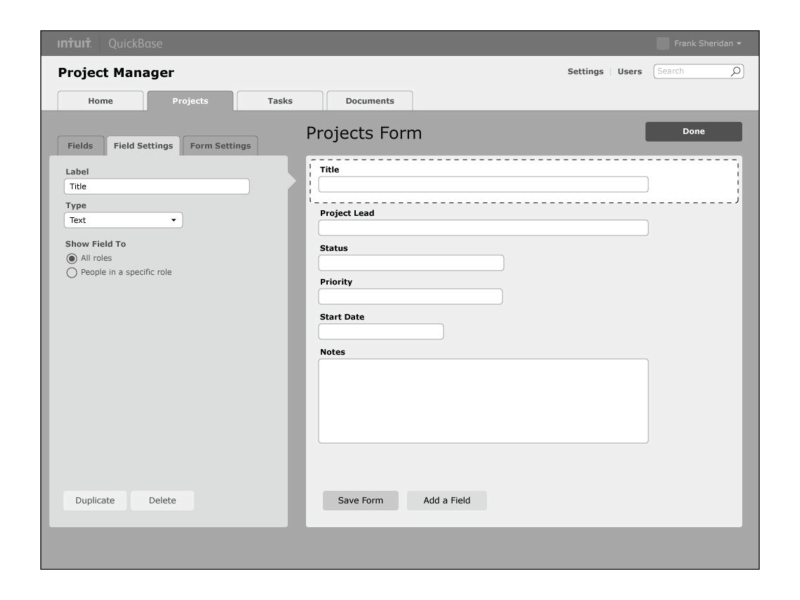
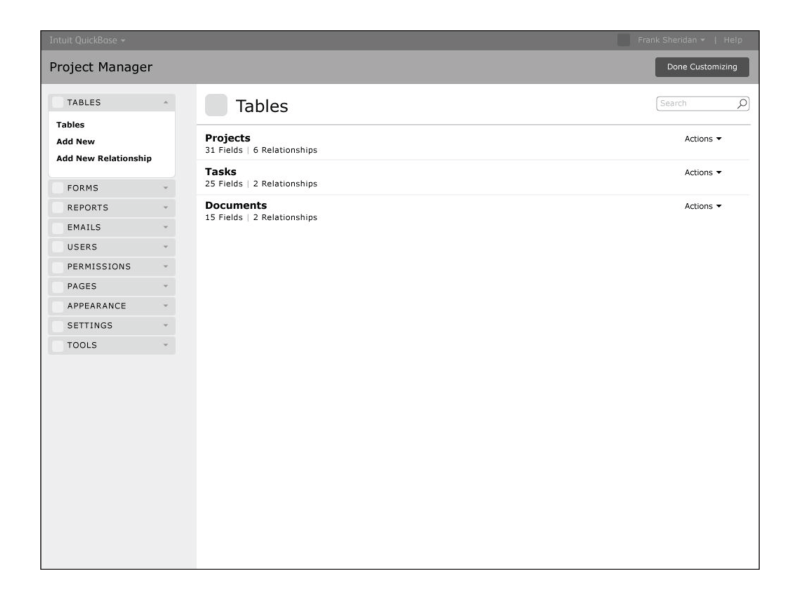
To move beyond subjective opinion, I built high-fidelity interactive prototypes for both concepts: a table-based model and a customization mode. I conducted A/B usability sessions with 10 participants, comparing the new prototypes against the live production build to measure success in real-time.
The Outcome: The Rise of Customization Mode
The research was definitive: participants were significantly more successful and confident using the dedicated Customization Mode.
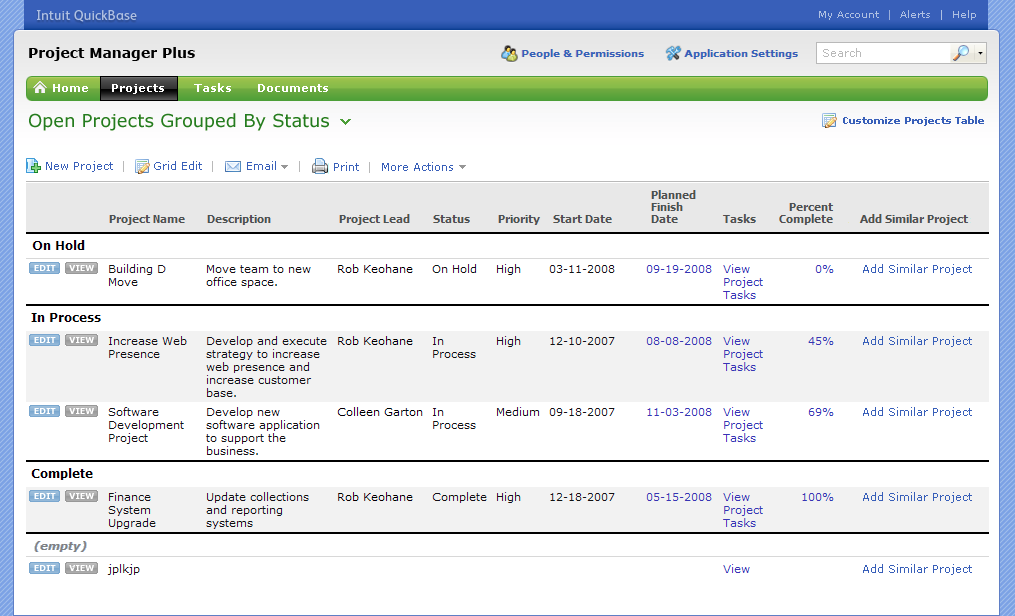
Launch: The May 2011 release centered on this new mode, successfully abstracting complex database actions into intuitive visual controls.
Simplified Governance: I redesigned "People and Permissions" as a primary action, removing the ambiguity of user management and enabling secure collaboration with ease.
Business Recognition: These foundational improvements contributed to the platform's long-term success and its eventual PC Magazine Editor’s Choice award.
The Retrospective: Impact Through Ownership
This role was a lesson in the power of the “Generalist.” Working within a tight-knit, interdisciplinary team allowed me to influence every layer of the product—from the high-level strategy of what to build to the final implementation of HTML and CSS. While the scope was often lean, the direct line between user research and code resulted in a more rewarding and effective product.