Transforming complex data infrastructure into intuitive, high-velocity workflows.
Dell Technologies PowerMax
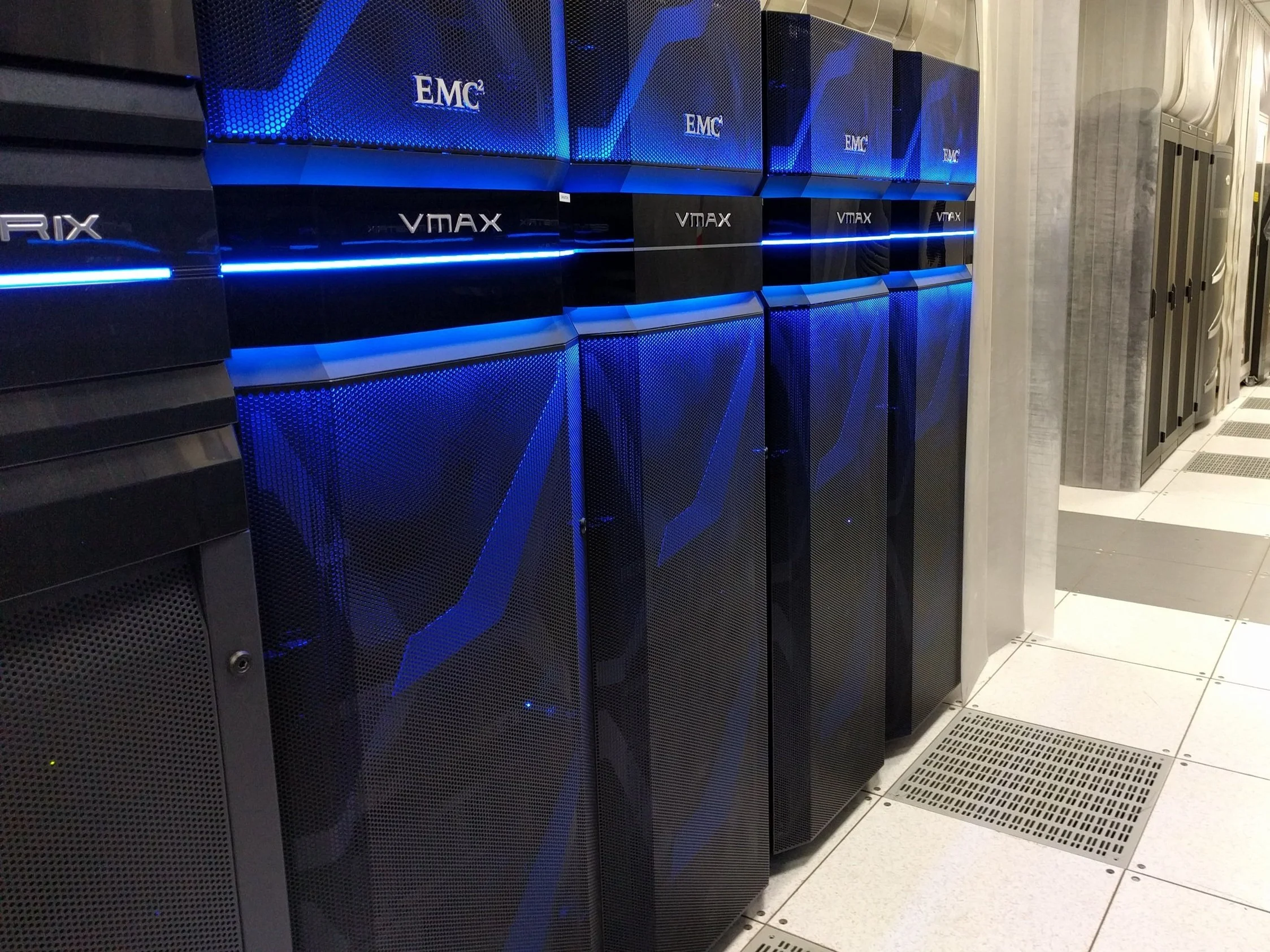
PowerMax is Dell’s flagship high-end storage array, engineered for massive capacity, mission-critical availability, and top-tier security in large-scale organizations.
My Role
As the Lead UX Designer, I spearheaded the design evolution of the management software for the PowerMax (formerly VMAX) platform from 2014 through 2021. I directed a design team comprising two associate designers and a remote production team in Bangalore, collaborating closely with four Product Managers and over 35 engineers.
Key Responsibilities: Research protocols, experience strategy, interactive prototyping, and visual design specification.
The Challenge: From Specialized Silos to Unified Efficiency
Enterprise data storage management historically required a multi-disciplined team with deep expertise in networking, servers, and replication. As organizations moved toward role consolidation and automation, the existing software became a bottleneck.
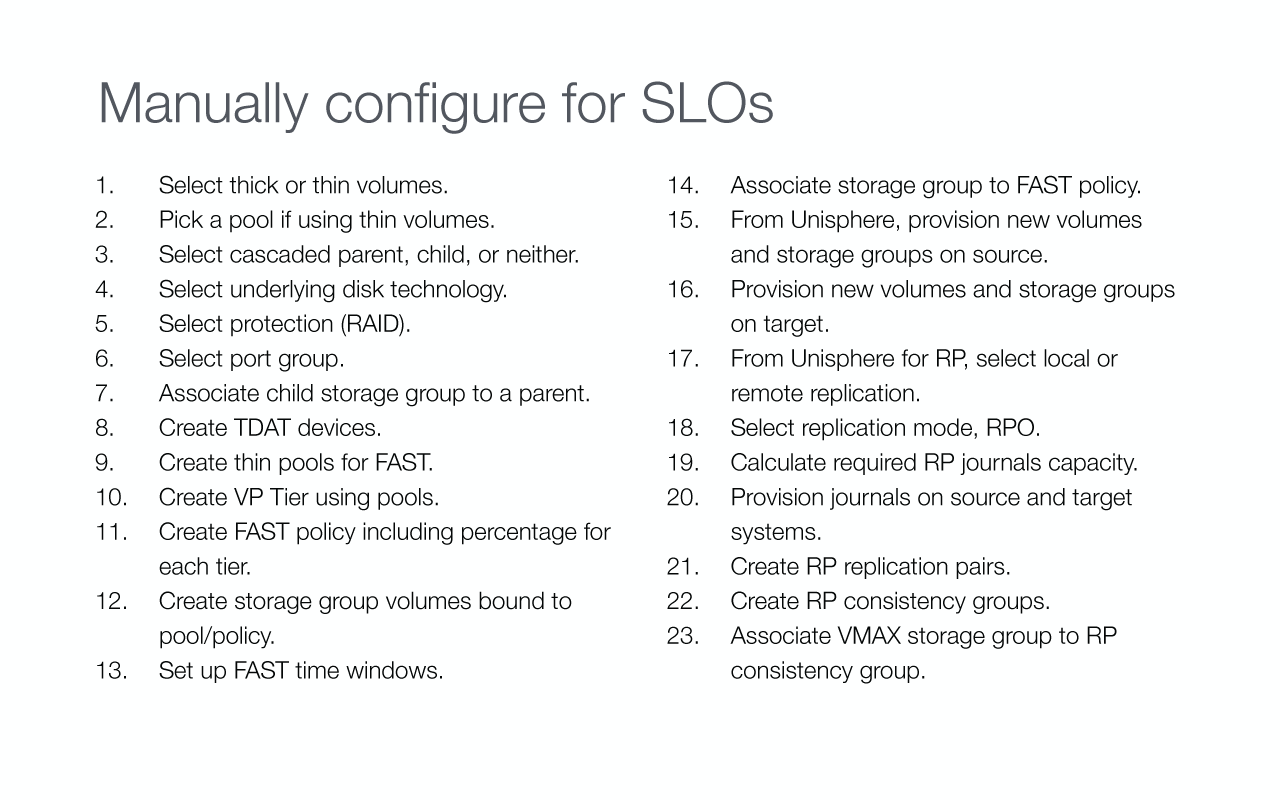
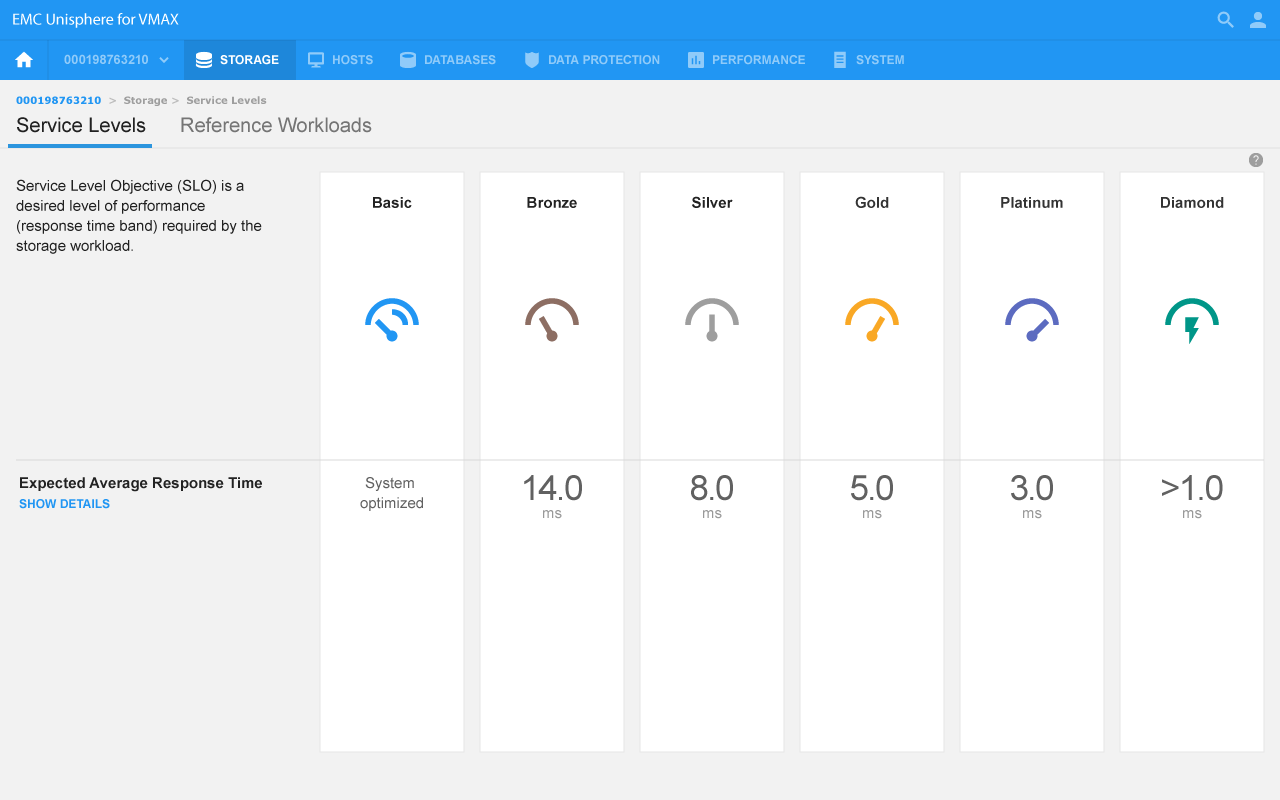
The Pain Point: Provisioning storage was a grueling, manual process. To ensure a Service Level Objective (SLO) could be monitored, administrators had to configure every technical component individually. This tedious workflow demanded high-level expertise and significant time, hindering organizational agility.
Current process
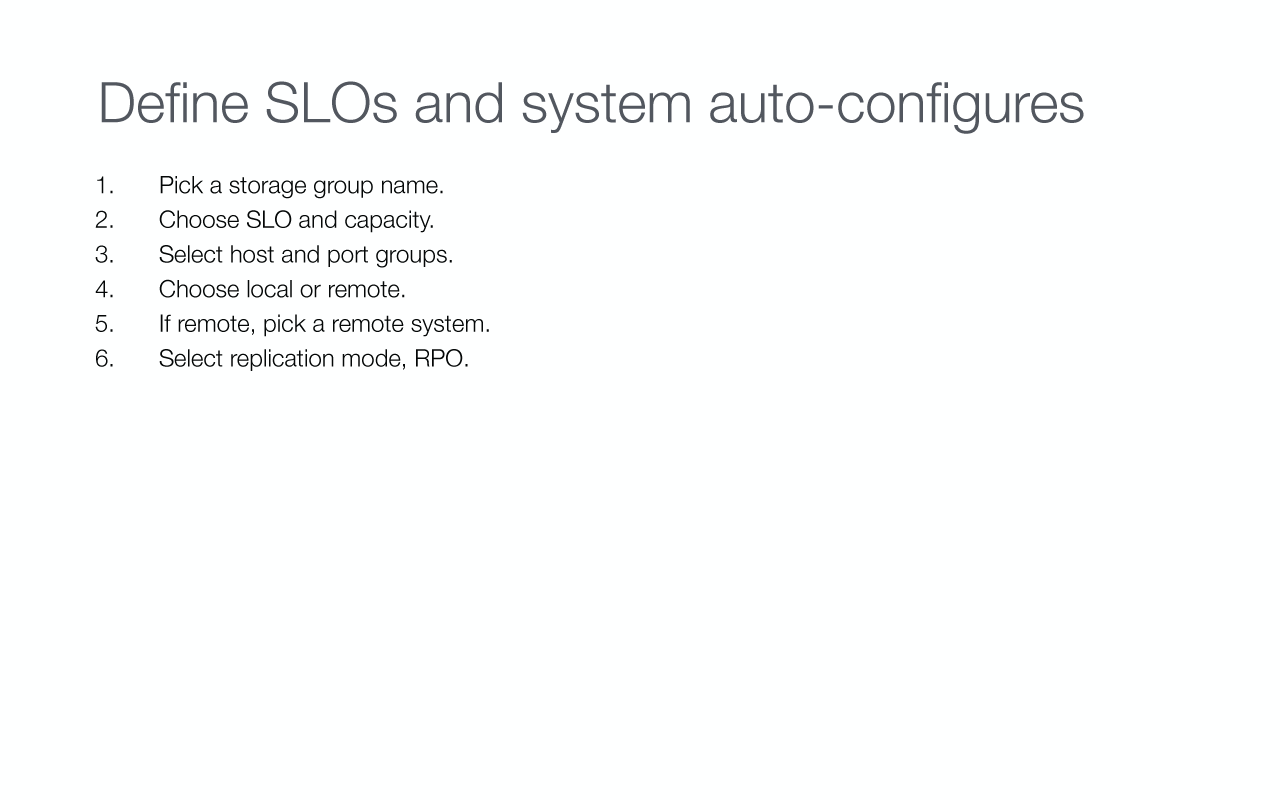
The vision
The Approach: Data-Driven Simplification
1. Customer Insights & Immersion
I partnered with Product Management and Research to establish a structured cadence of sessions with six key enterprise customers. By observing their environments and mapping their workflows, we identified the specific friction points where the complexity of the architecture overwhelmed the user experience.
2. Collaborative Sketching
To bridge the gap between user needs and technical feasibility, I led white-boarding sessions with engineering teams in both the US and Cork, Ireland. We dismantled the existing architecture on paper to determine how we could automate background tasks without sacrificing granular control.
3. Iterative Prototyping
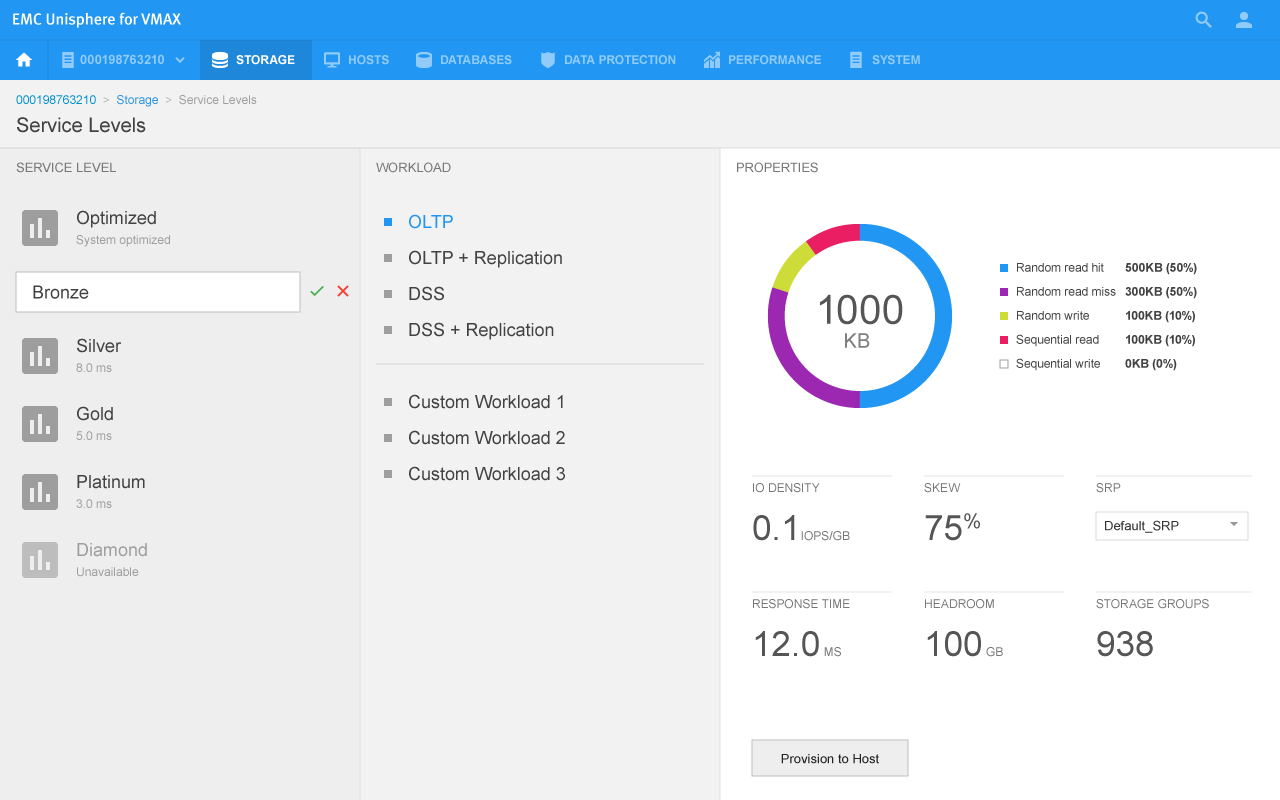
Using Adobe Illustrator, I developed high-fidelity interactive prototypes that mapped out a radically simplified workflow. These prototypes served as the “single source of truth,” allowing us to test iterations with customers and align the 35+ person engineering team on the final vision.
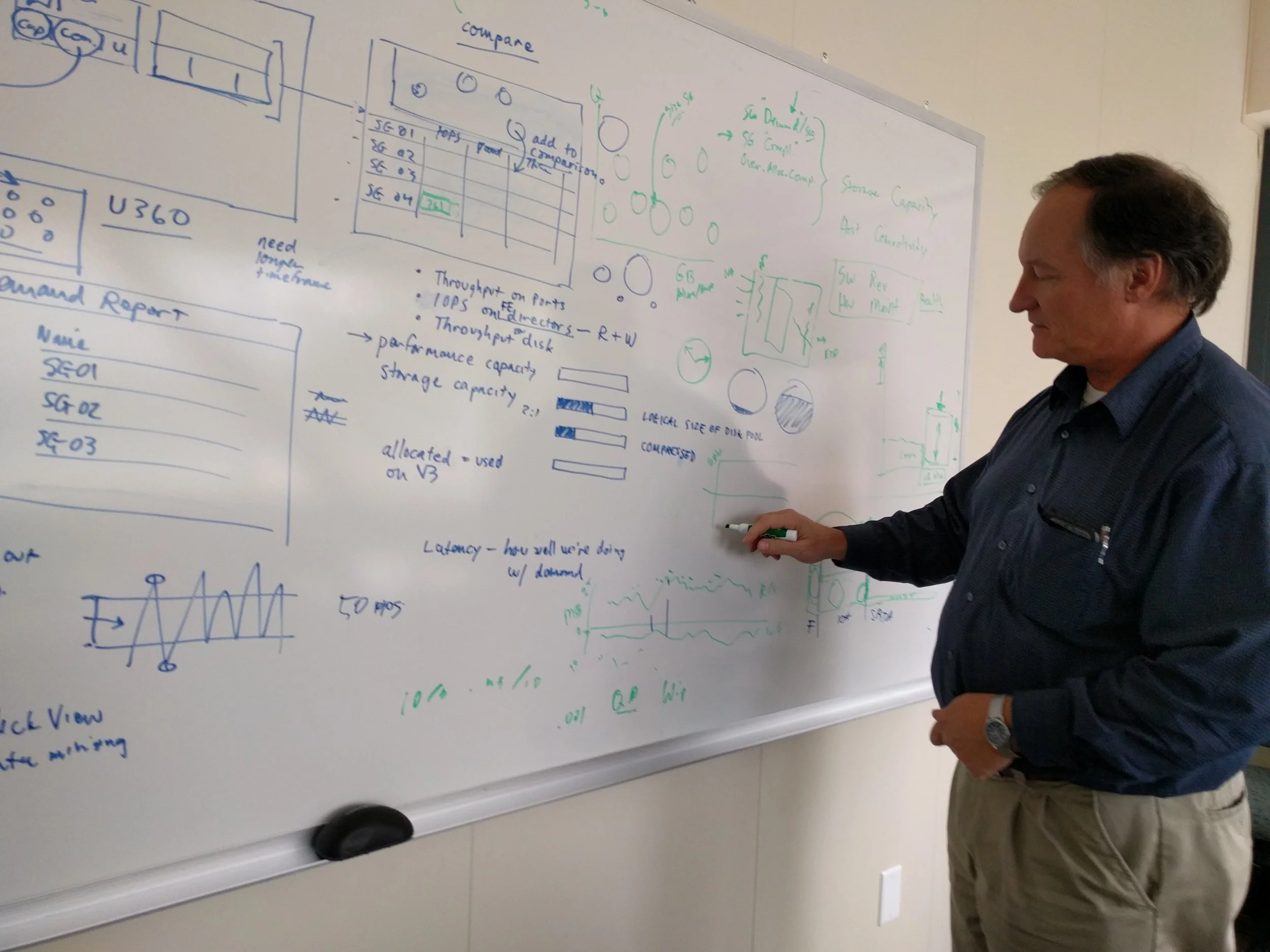
The Outcome: 74% Reduction in Complexity
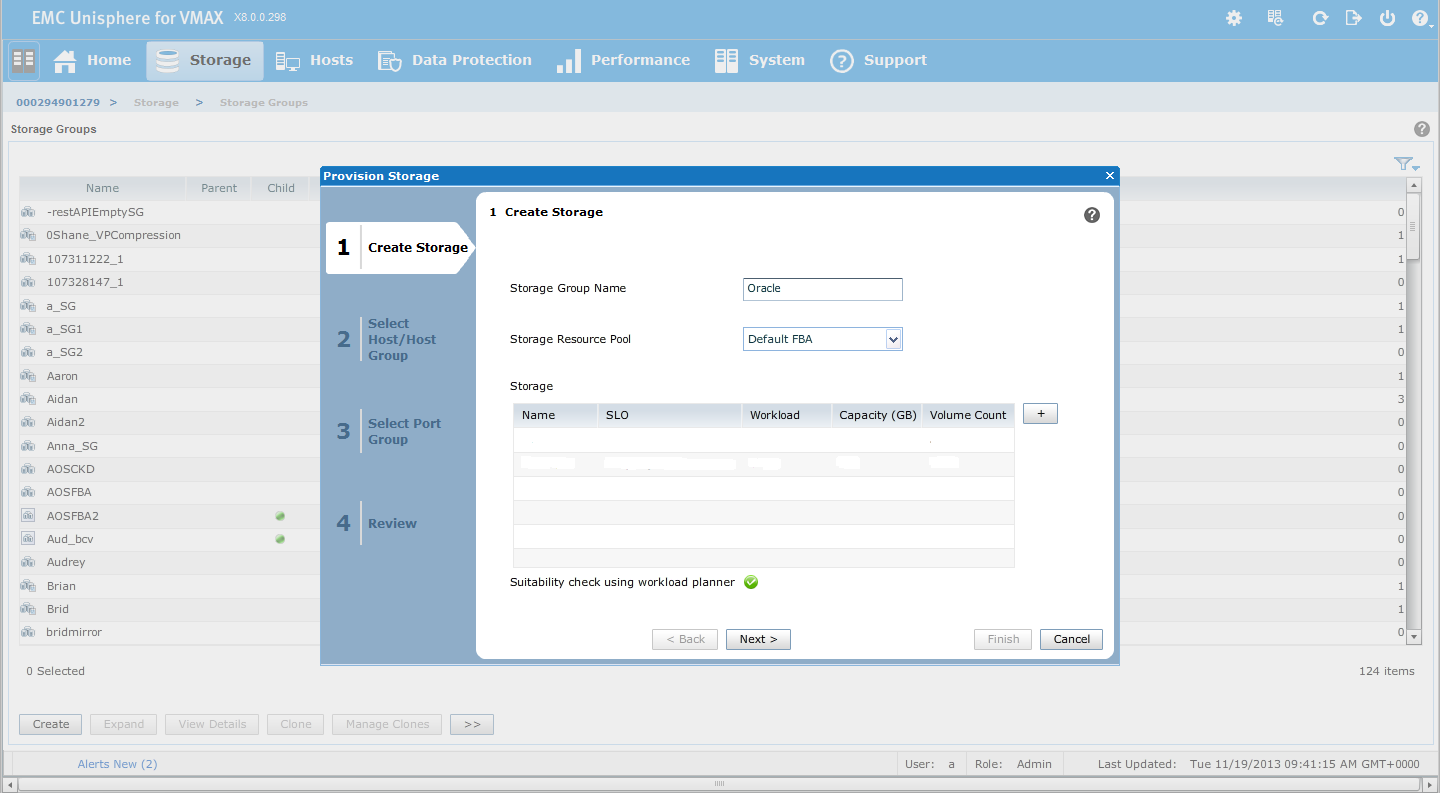
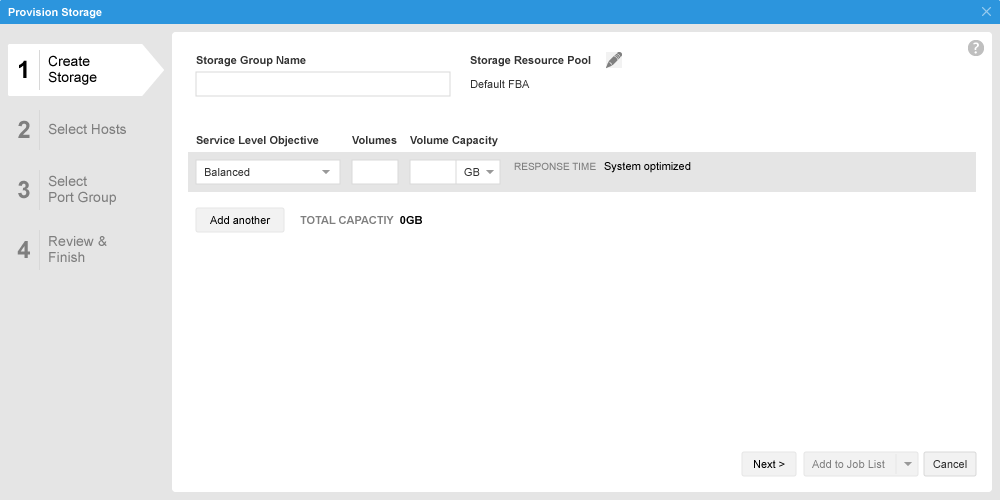
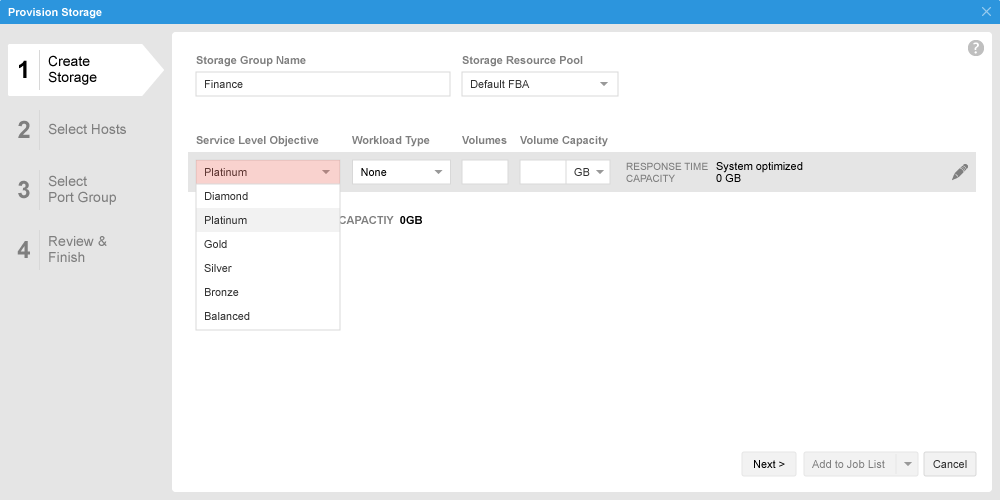
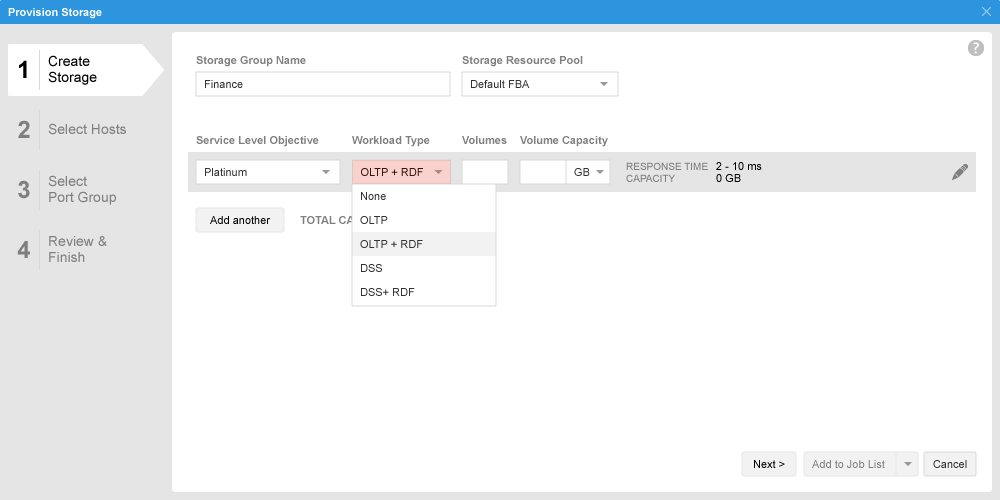
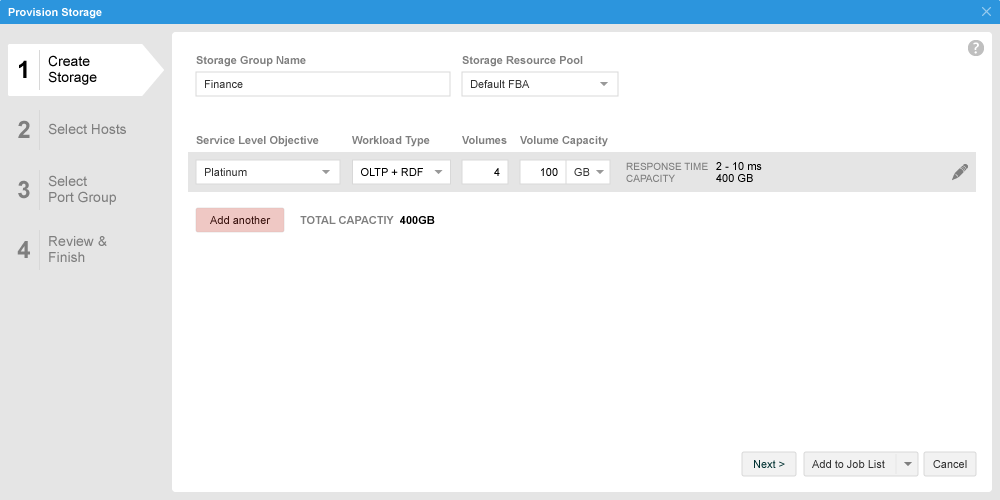
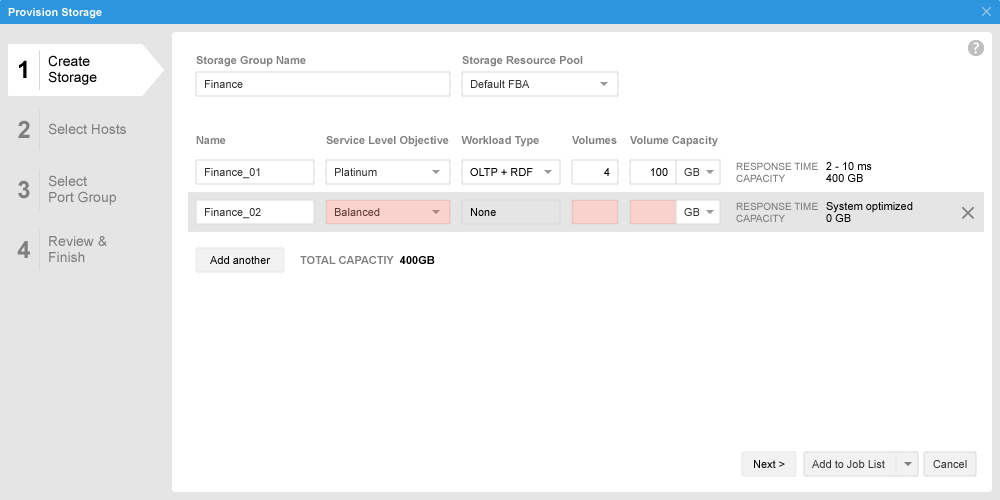
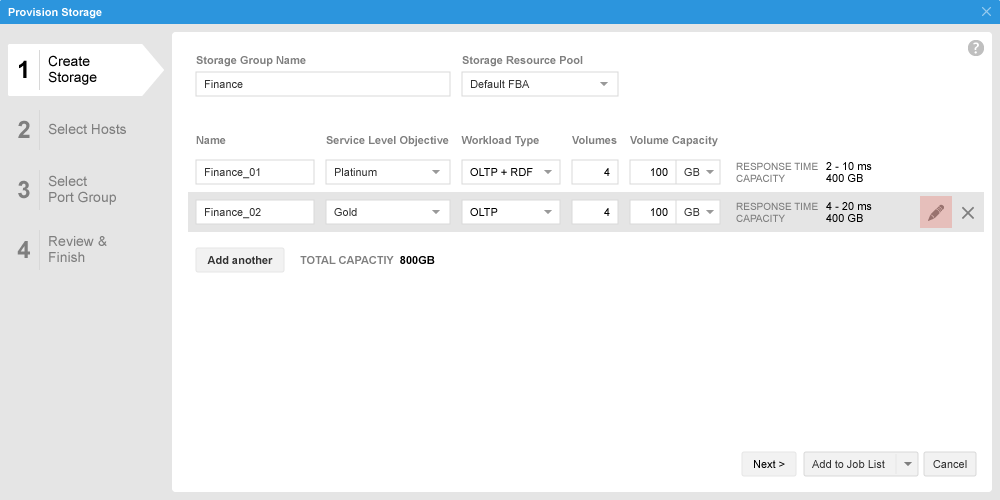
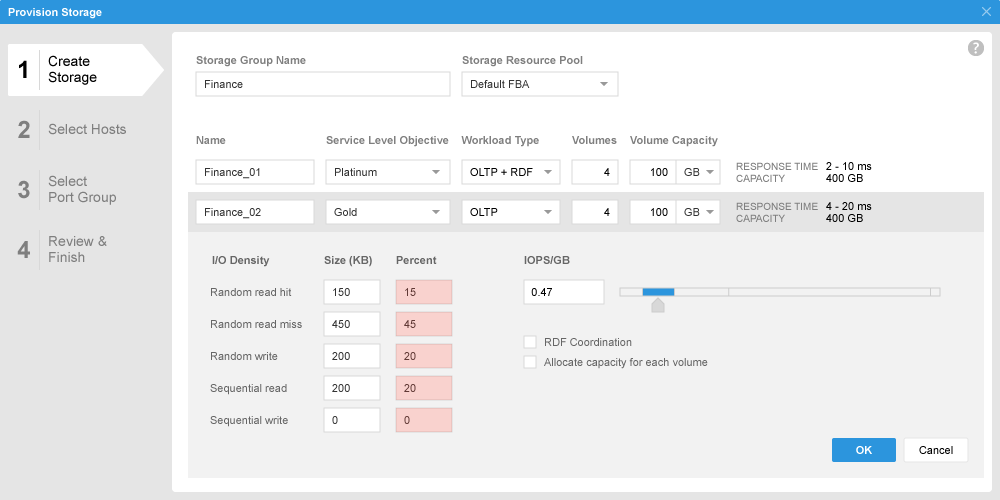
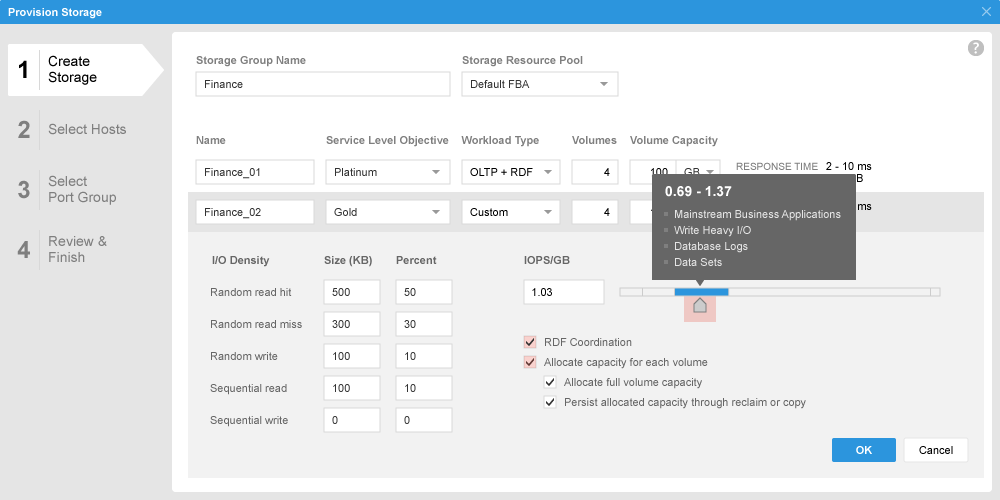
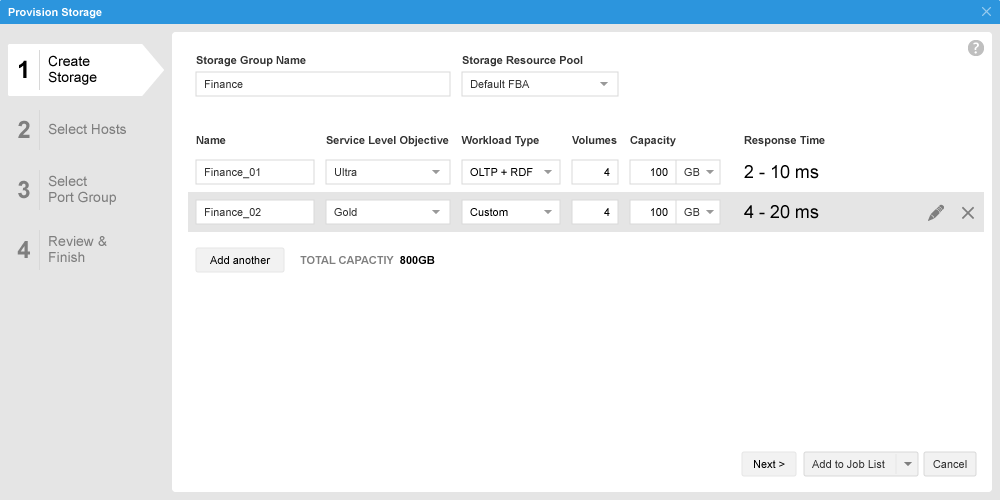
By consolidating fragmented steps into a single, intelligent table interface, I successfully transformed the provisioning experience.
Process Optimization: Reduced the workflow from 23 manual steps to just 6.
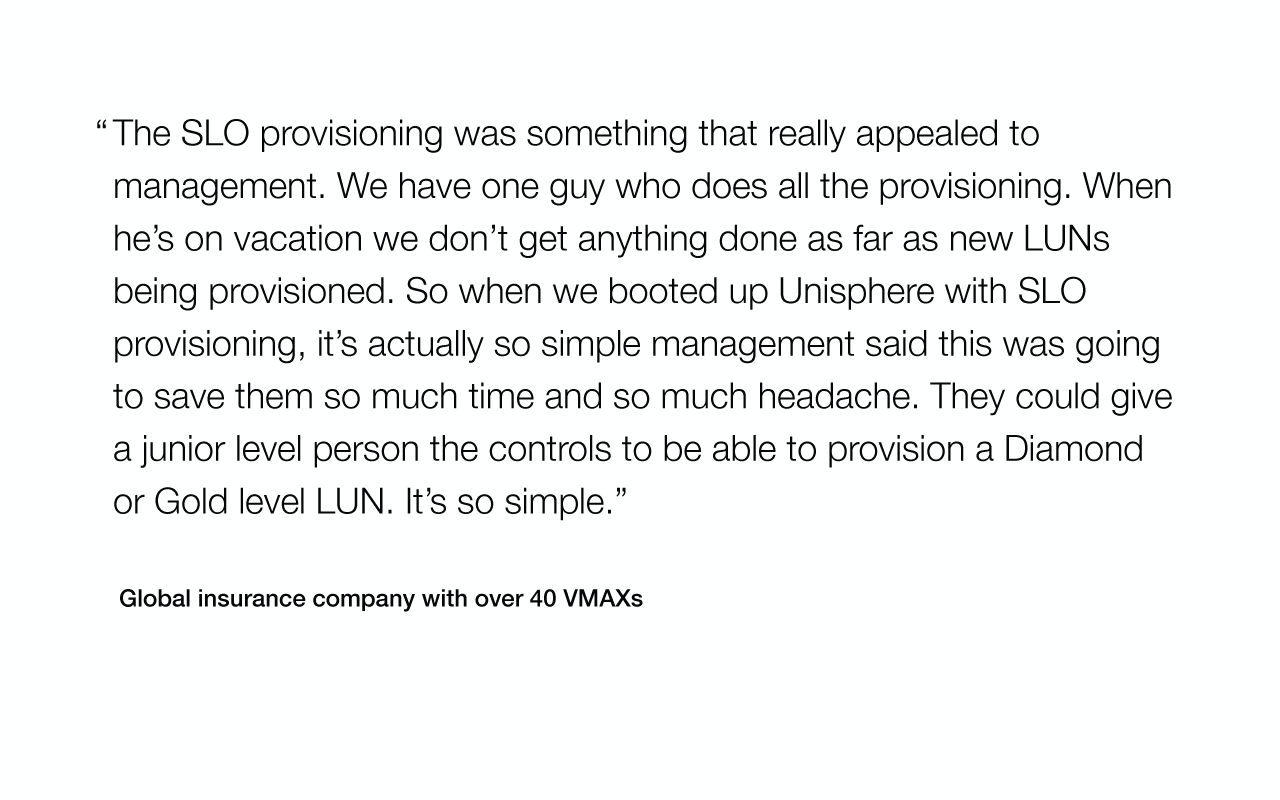
Empowering Generalists: Enabled users with generalized IT knowledge to create nested storage groups with customizable properties—tasks that previously required a specialist.
Efficiency: Significantly decreased the time-to-completion, allowing teams to scale their storage needs without scaling their headcount.
The Retrospective: Beyond the UI
While we successfully optimized the graphical interface, our research uncovered a growing trend: power users were increasingly bypassing the UI for Command Line Interfaces (CLI) and scripting.
Key Learning: Efficiency isn’t just about better buttons; it’s about meeting the user where they work. These findings directly informed a new strategic pivot toward “API-first” design and further automation, ensuring the product remained relevant in a DevOps-centric world.